

Ancient, Mythological, and Cultural Symbols
History, deep meaning, and the real power they still hold in modern life
If you are searching for ancient symbols, it’s not because of simple curiosity.
It’s because the basic explanations you find online don’t help you understand why these symbols survived for thousands of years or what real role they played in human life.
Most articles stop at lists of “meanings.”
This one does not.
Here, you will understand the historical origin, cultural function, social use, and modern impact of ancient, mythological, and cultural symbols.
The truth about symbols that almost no one explains
Symbols were not created as art or decoration.
They were created as tools for survival, social control, collective memory, and power.
Before writing existed, a single symbol could:
- legitimize a ruler
- enforce rules without words
- preserve knowledge
- explain natural events
- unite a community
That’s why symbols were never invented randomly.
They were designed with intention.
Ancient Symbols: the original language of humanity
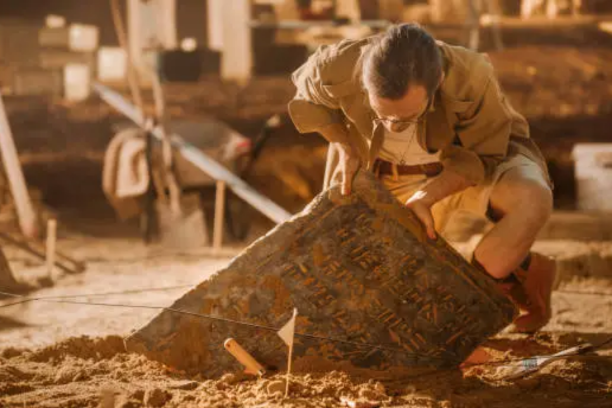
When we talk about ancient symbols, we are talking about the first abstract communication system in human history.
These symbols solved very real problems:
- How to explain death
- How to justify power
- How to maintain order
- How to pass values without writing
Every symbol existed because it answered a real human need.
Egyptian Symbols: order, eternity, and state control
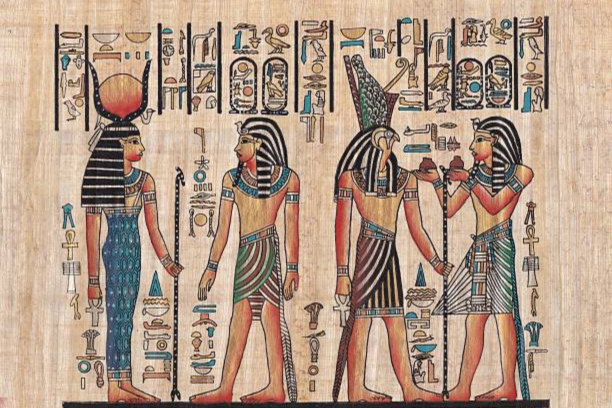
Ancient Egyptians saw the world as a constant struggle between order (Ma’at) and chaos.
Their symbols were not only religious they were political, scientific, and social.
Ankh
It is often said to mean “life,” but that explanation is incomplete.
The Ankh represented:
- life after death
- continuity of the soul
- divine permission to exist eternally
It was not a common amulet.
It was a symbol of power granted by the gods.
Eye of Horus
It was more than protection.
It functioned as:
- a mathematical system (fractions)
- a medical symbol of healing
- a sign of royal legitimacy
This shows something important:
In Egypt, a symbol was coded knowledge.
Djed Pillar
It represented the spine of Osiris and the stability of the kingdom.
The ritual of “raising the Djed” was not spiritual.
It was a state ceremony symbolizing political stability.
Alchemy Symbols: transformation, not magic
Alchemy is often misunderstood as mysticism.
In reality, it was an early system of science, psychology, and philosophy.
Alchemical Symbols
They did not work alone.
Each symbol represented a stage of transformation.
- Sulfur → will and impulse
- Mercury → mind and movement
- Salt → structure and body
Alchemy spoke about changing the human being, using the language of chemistry.
Many modern psychological ideas originated here.
Celtic Symbols: memory instead of writing
Celtic cultures did not rely on writing.
They relied on memory, and symbols were their main tool.
Celtic Knot
It does not simply mean “unity.”
It represents:
- continuity of lineage
- connection between generations
- time with no beginning or end
It expressed one idea clearly:
The community never breaks.
Triskelion
Three spirals in motion.
It symbolized:
- land, sea, and sky
- past, present, and future
- birth, death, and rebirth
Movement was essential.
For the Celts, life was never static.
Aztec Symbols: the universe as responsibility
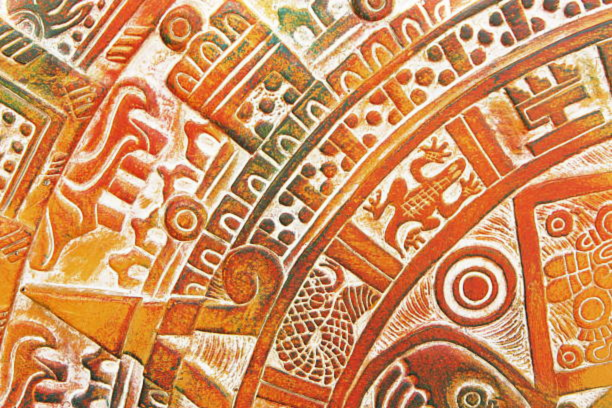
For the Aztecs, existence meant fulfilling a cosmic obligation.
Sun Stone
It was not just a calendar.
It was:
- an explanation of time
- a ritual guide
- a warning
The message was clear:
if humans fail to act, the universe collapses.
Feathered Serpent
It represented knowledge that demands sacrifice.
Nothing valuable was free.
Taíno Symbols: identity tied to the land
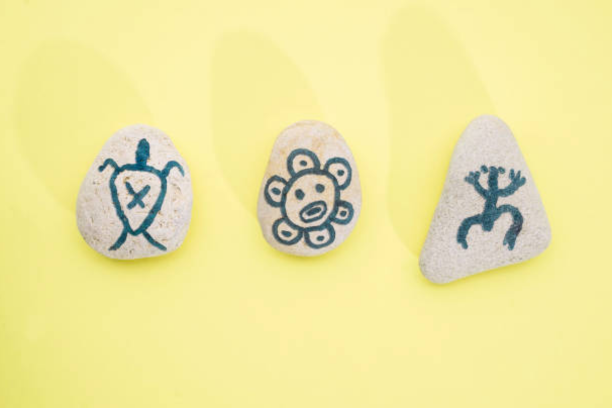
The Taíno people believed spiritual power existed in the place itself, not only in the sky.
Their zemí symbols represented:
- ancestors
- natural forces
- agricultural cycles
Symbols connected humans directly to their environment.
Native American Symbols: relationship and balance
Unlike many other cultures, these symbols were not about control but relationships.
Examples:
- Eagle → higher vision and spiritual connection
- Bear → healing strength
- Circle → equality and cycles
These symbols were guidelines for behavior, not decoration.
Viking Symbols and Runes: decisions with consequences
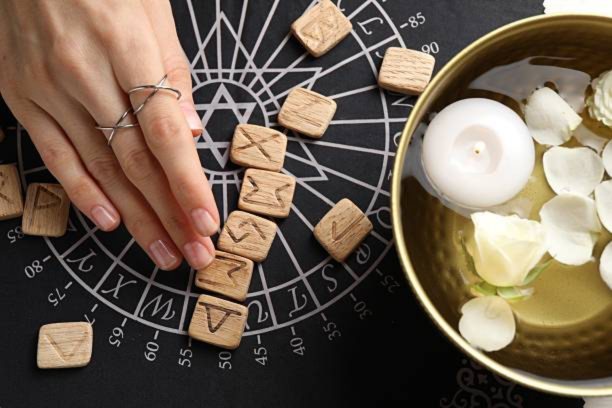
Runes were not lucky charms.
They represented:
- commitments
- warnings
- conscious decisions
Tiwaz
Victory only through sacrifice.
Algiz
Protection through awareness, not comfort.
Vikings understood that every action has a price.
Roman Symbols: engineering power

Rome used symbols to enforce order.
Eagle
Not freedom dominance.
Fasces
Law supported by force.
Rome made its message clear:
power survives through visible authority.
Greek God Symbols: human psychology
Greek gods were not moral ideals.
They were representations of human emotions.
Ares
Not “war,” but uncontrolled aggression.
Hera
Authority, emotional control, and preservation of status.
That is why these symbols still matter today:
They speak about universal human conflicts.
Common mistakes that destroy understanding
- Believing symbols are universal
- Mixing cultures without context
- Interpreting them with modern values
- Ignoring rituals and social function
A symbol without context is just an image.
How to study symbols correctly
- Identify the culture
- Analyze the problem it solved
- Observe its ritual use
- Understand its social impact
- Avoid forced modern interpretations
FAQ
What are ancient symbols?
Visual systems created to transmit power, knowledge, and values before writing.
Why were Egyptian symbols so structured?
They legitimized the state and the pharaoh as part of cosmic order.
Do Celtic symbols have magical meanings?
Not magic — cultural memory.
Did Aztec symbols always involve sacrifice?
Many did, because existence was seen as a debt.
Did Taíno symbols represent gods?
Mostly forces connected to land and ancestors.
Are Native American symbols the same in every tribe?
No, they vary by region and tradition.
Were Viking runes meant to bring luck?
No, they represented choices and consequences.
Were Roman symbols religious?
Mostly political and social.
What do Ares’ symbols represent?
Impulsive violence and its consequences.
What does Hera truly symbolize?
Emotional power and relational authority.
Are alchemical symbols spiritual?
They are coded processes of transformation.
Conclusion
Ancient, mythological, and cultural symbols did not survive for thousands of years because of beauty or fashion.
They survived because they organized the human mind, gave meaning to life, and supported entire civilizations.
When we understand their history, cultural context, and real function, we stop seeing them as simple images and begin to see them as living languages that still communicate identity, power, emotion, and meaning today.
That is why symbols still matter in the modern world
in how we write, create, express ourselves, and connect ideas with emotion and depth.
If you are interested in transforming symbols, words, and meanings into visually attractive text, unique styles, or expressive lettering, visit https://letrasbonitasenlinea.mx/
It’s a space for people who understand that how a message looks is just as important as what it says.
Because in the end, ancient symbols and modern lettering share one essential truth:
👉 both exist to express what ordinary words cannot.


